October 16, 2026 · 5 min read · By Justin Zarudny, Principal
Short answer: mold in an attic almost always comes from moisture that shouldn't be there. The three most common sources are roof leaks, poor attic ventilation that traps warm, damp air, and bathroom, kitchen or dryer vents that end in the attic instead of outside.
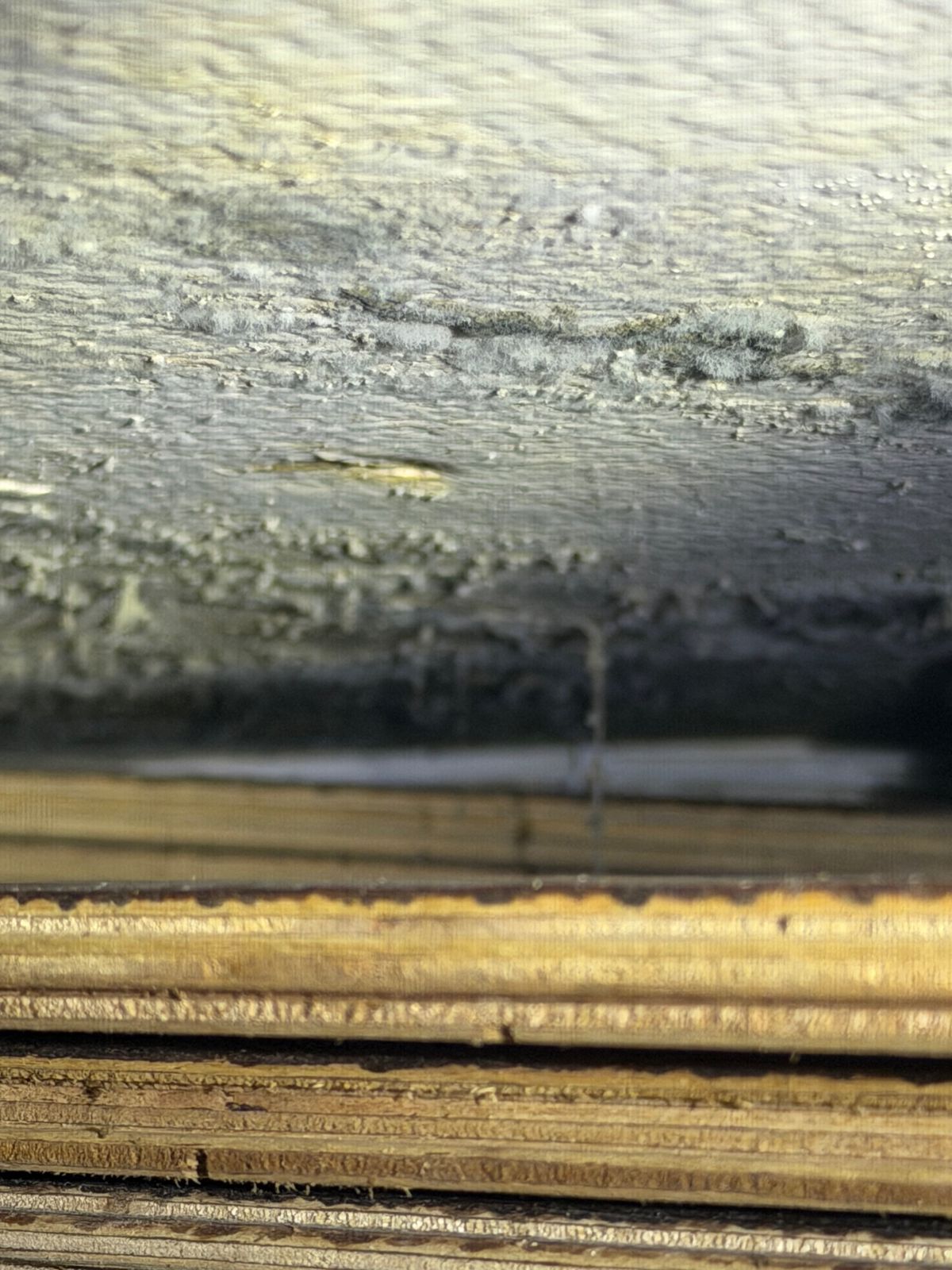
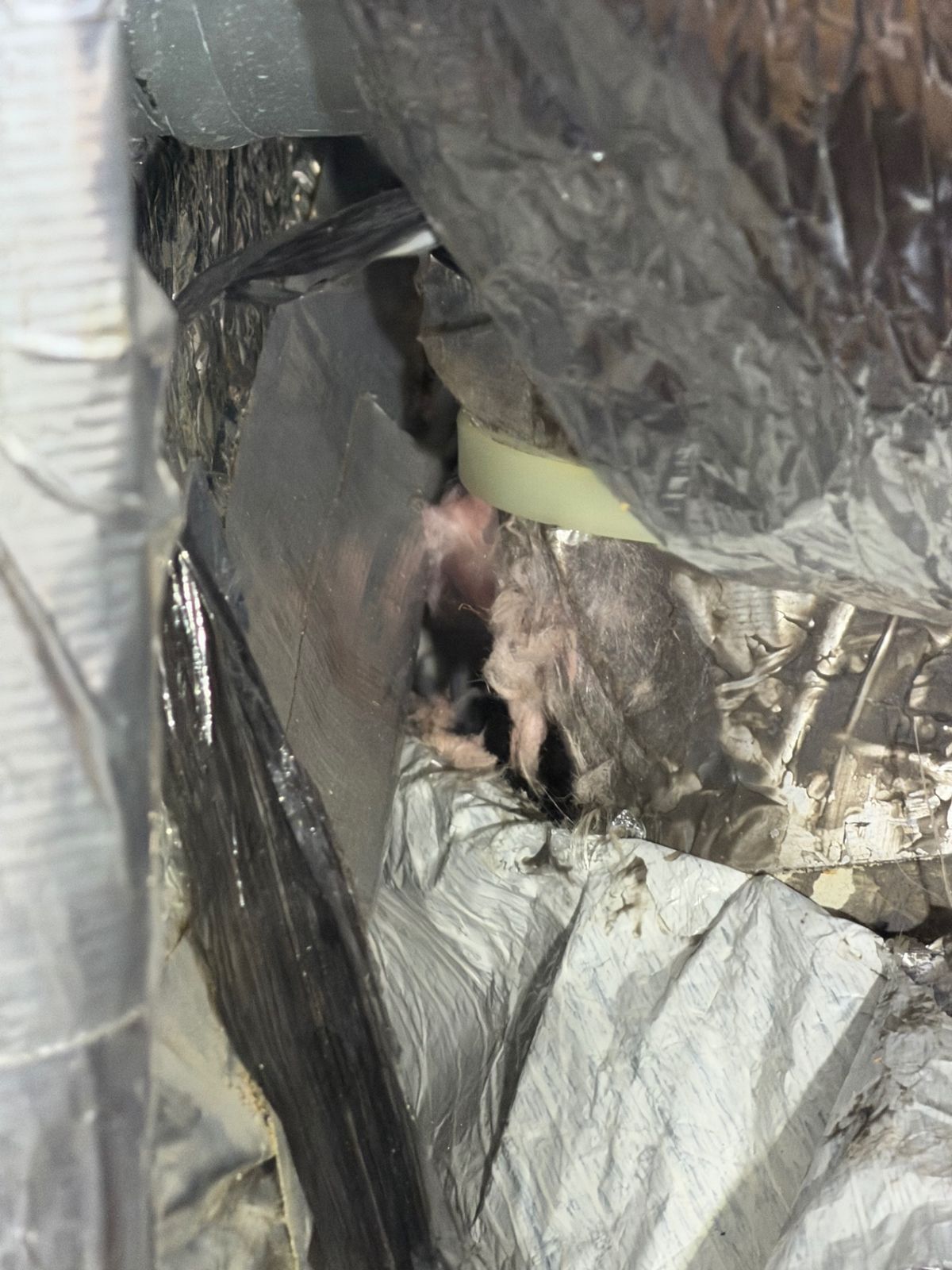
The pattern tells you a lot. Staining concentrated around a roof penetration, valley or flashing points to a leak. Even darkening across the underside of the roof sheathing, often heaviest on the colder side, points to condensation and ventilation. A patch directly above a bath fan suggests the duct is disconnected or never reached the exterior.
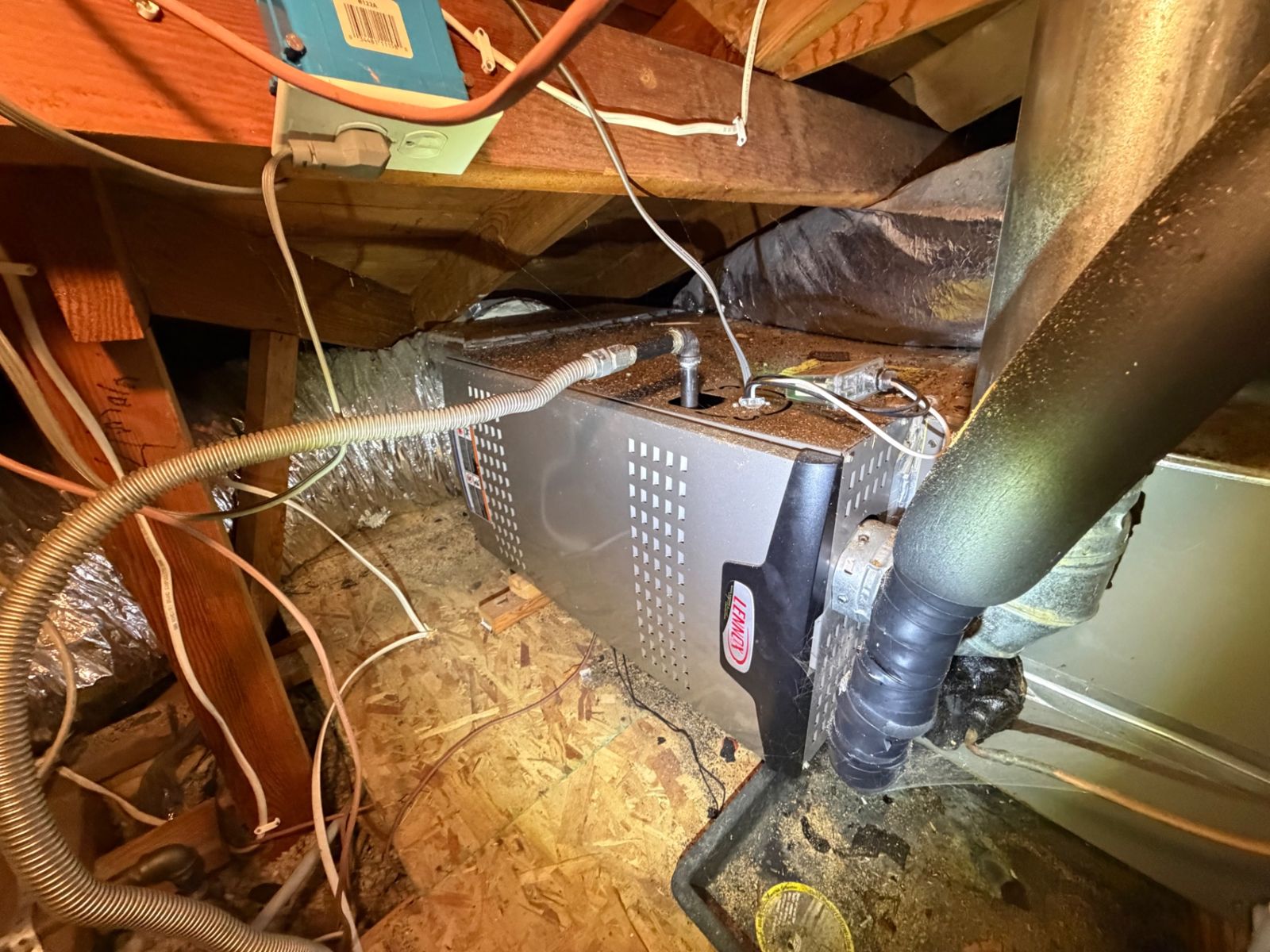
In San Diego County, coastal homes in places like La Jolla, Pacific Beach and Carlsbad see more marine-layer humidity, while inland homes in Poway, Escondido and Rancho Bernardo see larger day-night temperature swings. Both can drive condensation when attic ventilation is blocked or insulation covers the soffit vents.
Testing should answer a specific question. Moisture readings show whether the wood is wet now or the staining is old. Thermal imaging can help spot temperature anomalies around penetrations, but it doesn't see moisture directly and needs meter confirmation. Tape-lift or surface sampling can confirm whether staining is mold growth. Air sampling helps when the question is whether attic conditions are affecting the living space.
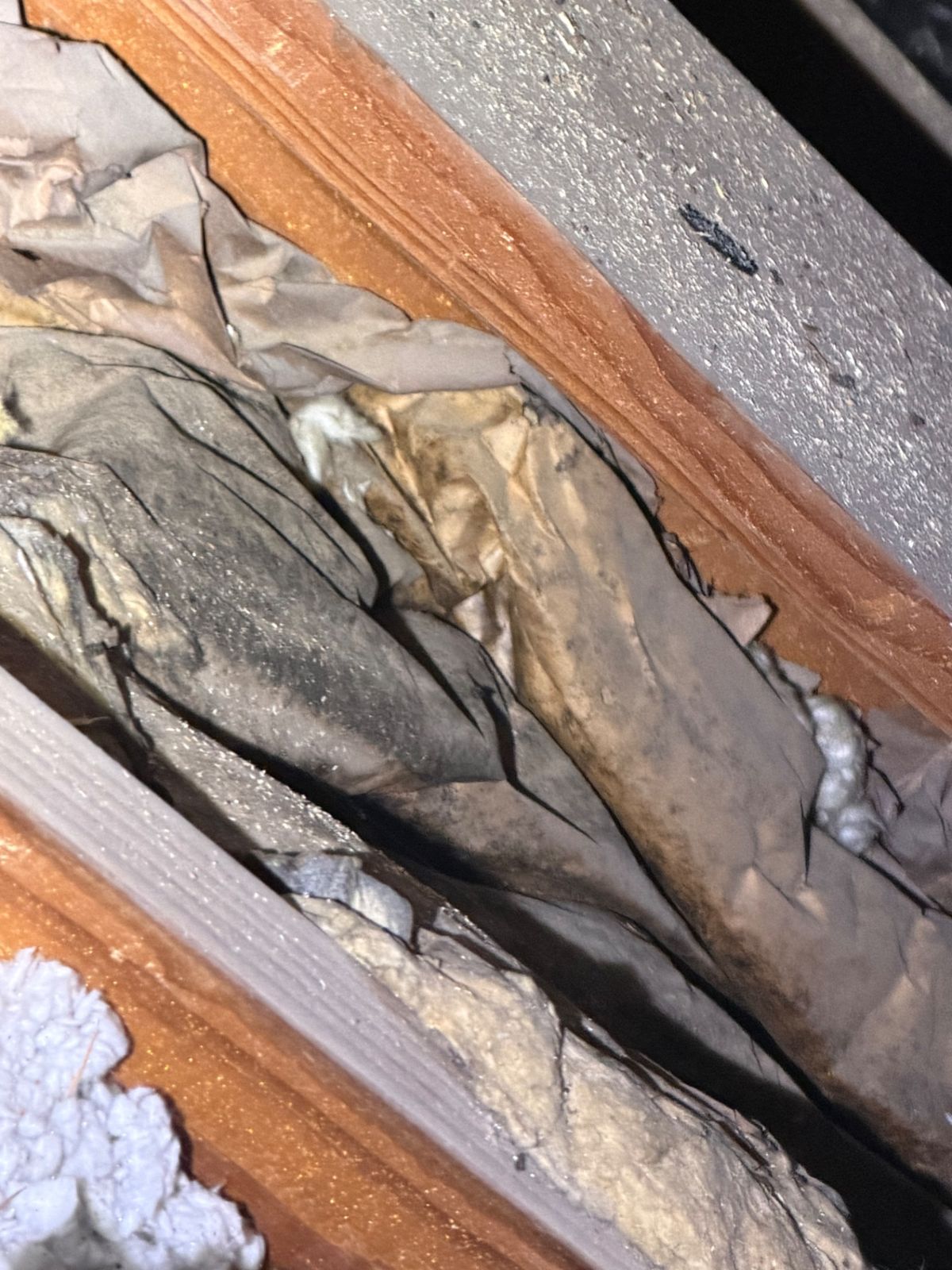
What to do next depends on the findings. Fixing the moisture source comes first: a roof repair, rerouting a vent, or correcting ventilation. If growth is confirmed and significant, a written Mold Remediation Protocol defines what a remediation contractor should clean or remove and how the work will be verified afterward.
Origin Environmental inspects and tests attics across San Diego County and does not perform remediation. If you need a contractor, Origin can refer IICRC-certified companies it has vetted. Call (858) 833-0033 to schedule.
Scope of services
Origin evaluates building and environmental conditions. It does not diagnose illness, determine individual medical risk, make insurance-coverage decisions, provide legal opinions, or issue engineering conclusions.