October 16, 2026 · 5 min read · By Justin Zarudny, Principal
Short answer: mold can begin growing on wet building materials within 24 to 48 hours, according to EPA guidance. That's why the most important step after a leak or flood is fast drying, followed by testing that confirms the structure is actually dry and clean before anything is rebuilt.
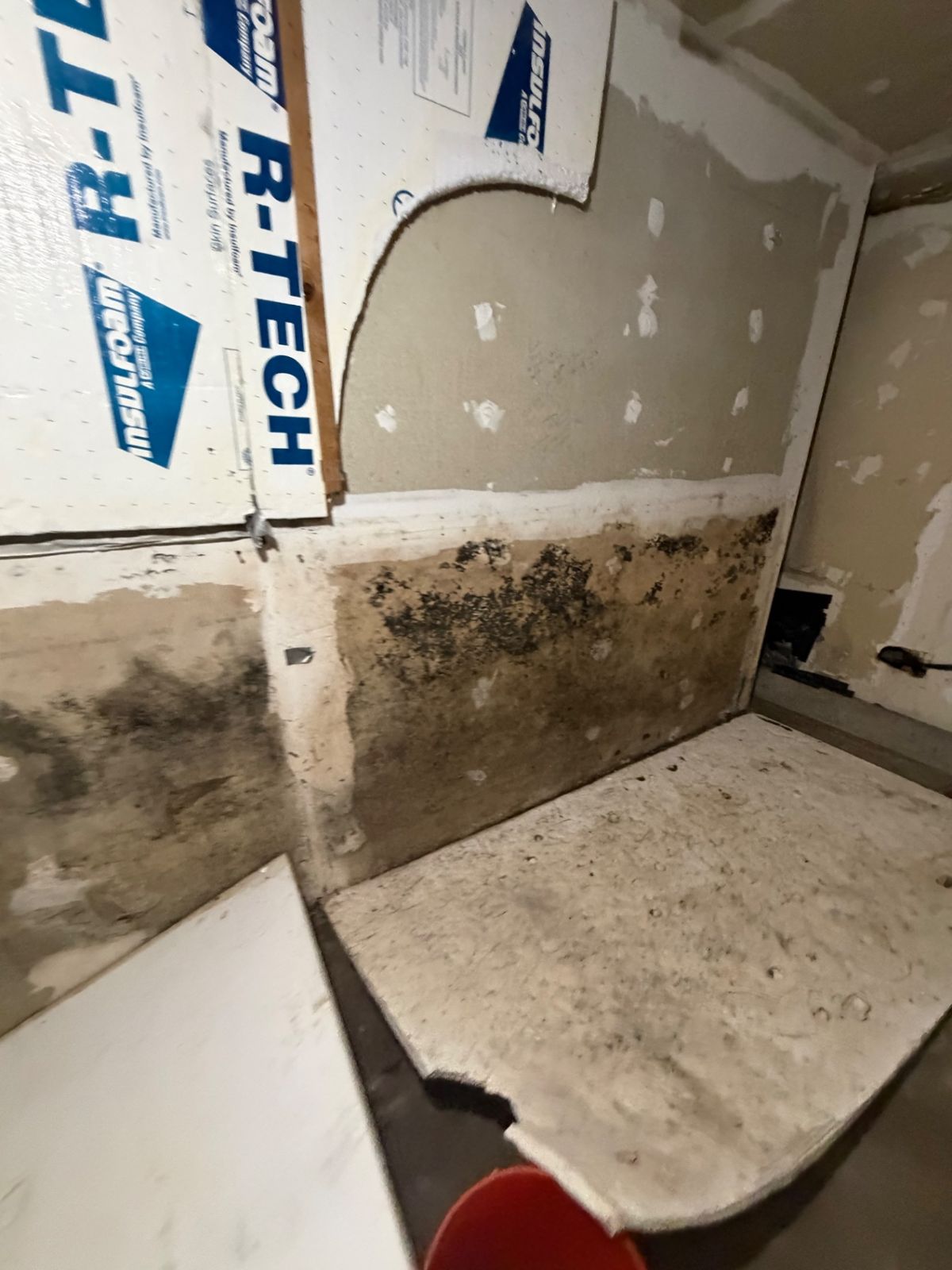
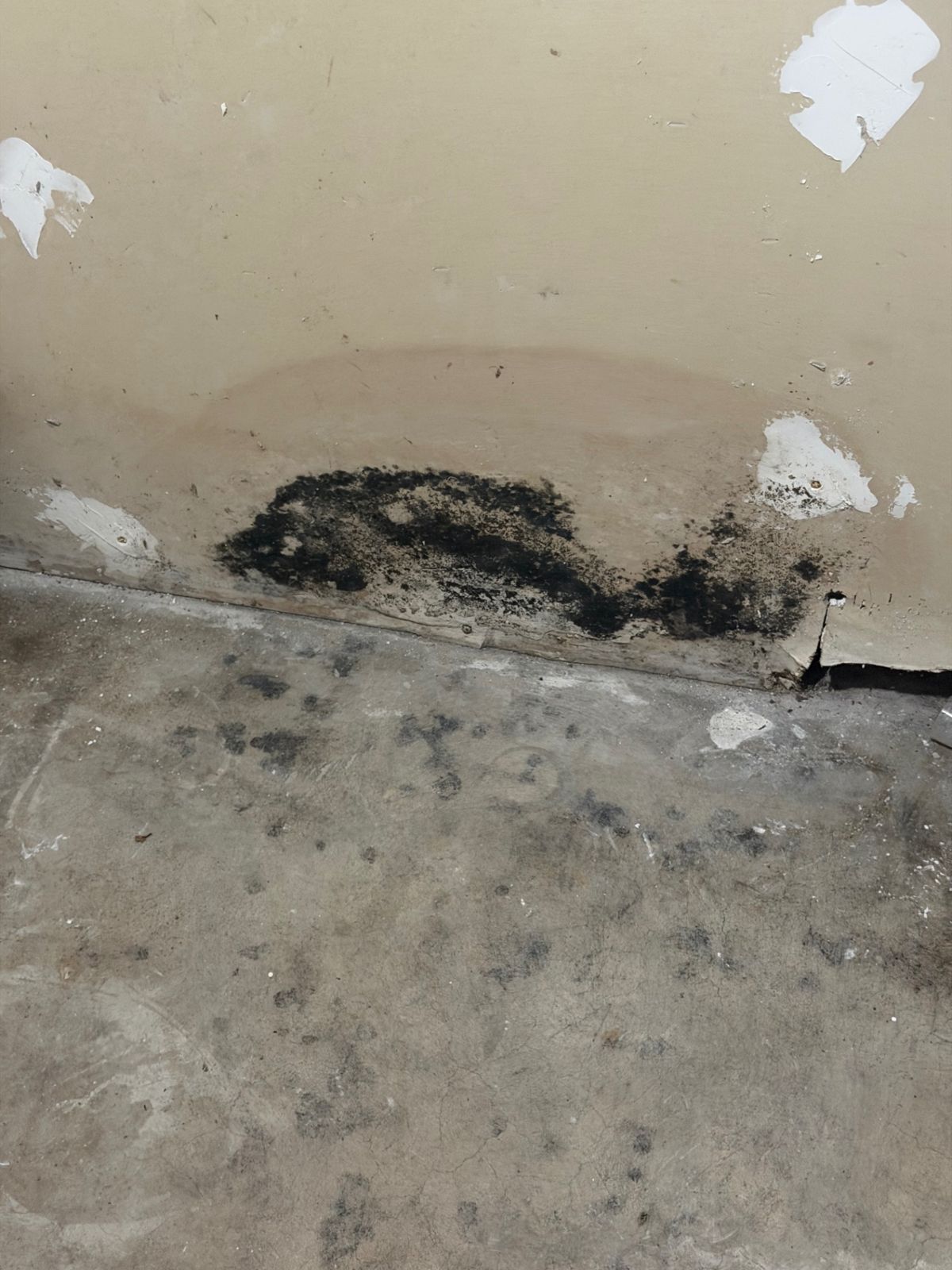
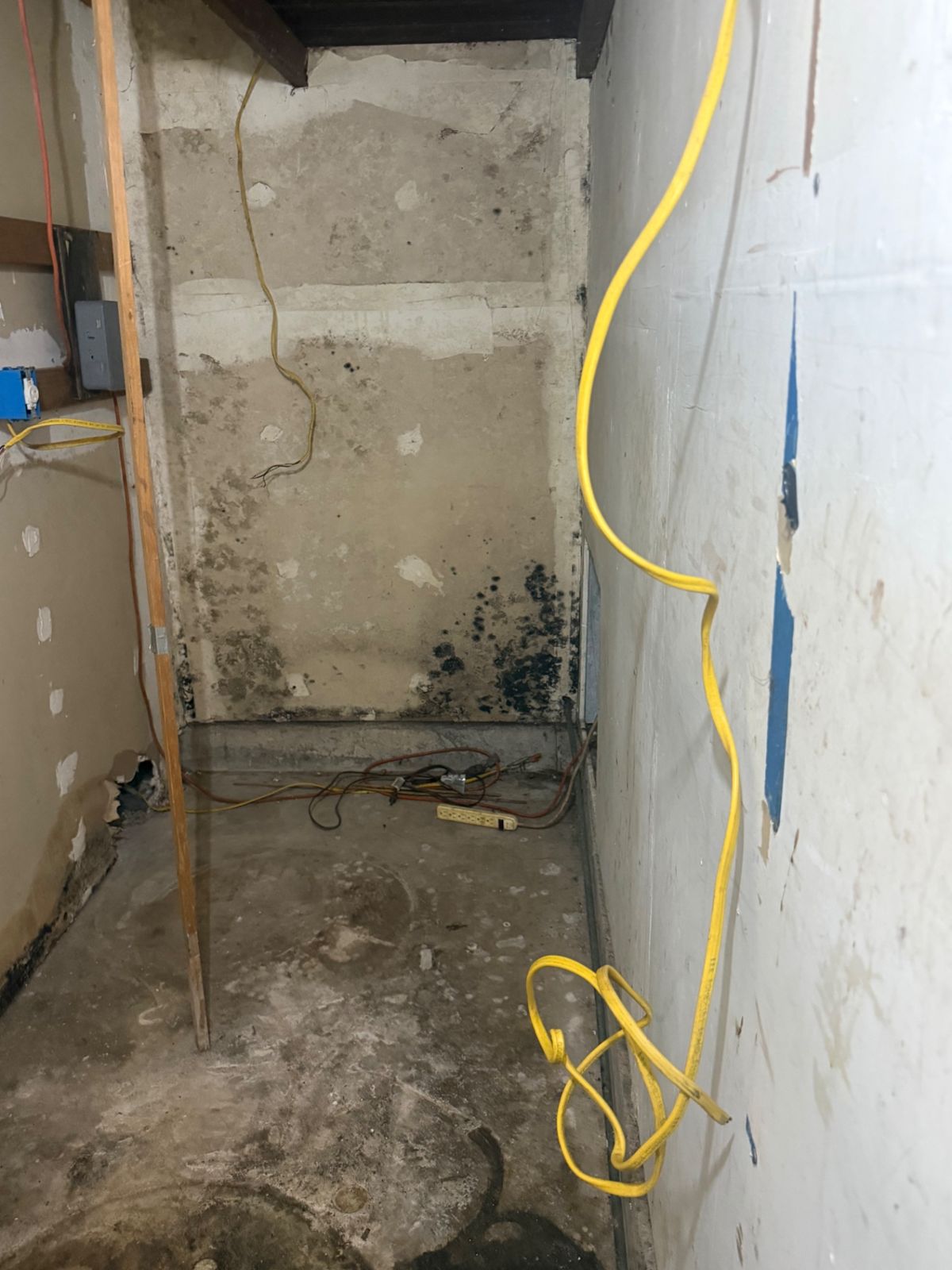
Many problems show up months later because something was missed. The usual spots are wall cavities behind drywall that looks dry on the surface, under and behind cabinets, under flooring and pad, rooms next to or below the leak, and drying equipment removed before materials reached their dry standard.
Before restoration starts, moisture mapping shows how far the water actually traveled. In older homes, materials such as drywall texture, flooring and pre-1978 paint may need asbestos or lead testing before they're cut or removed, so the work doesn't spread a second problem.
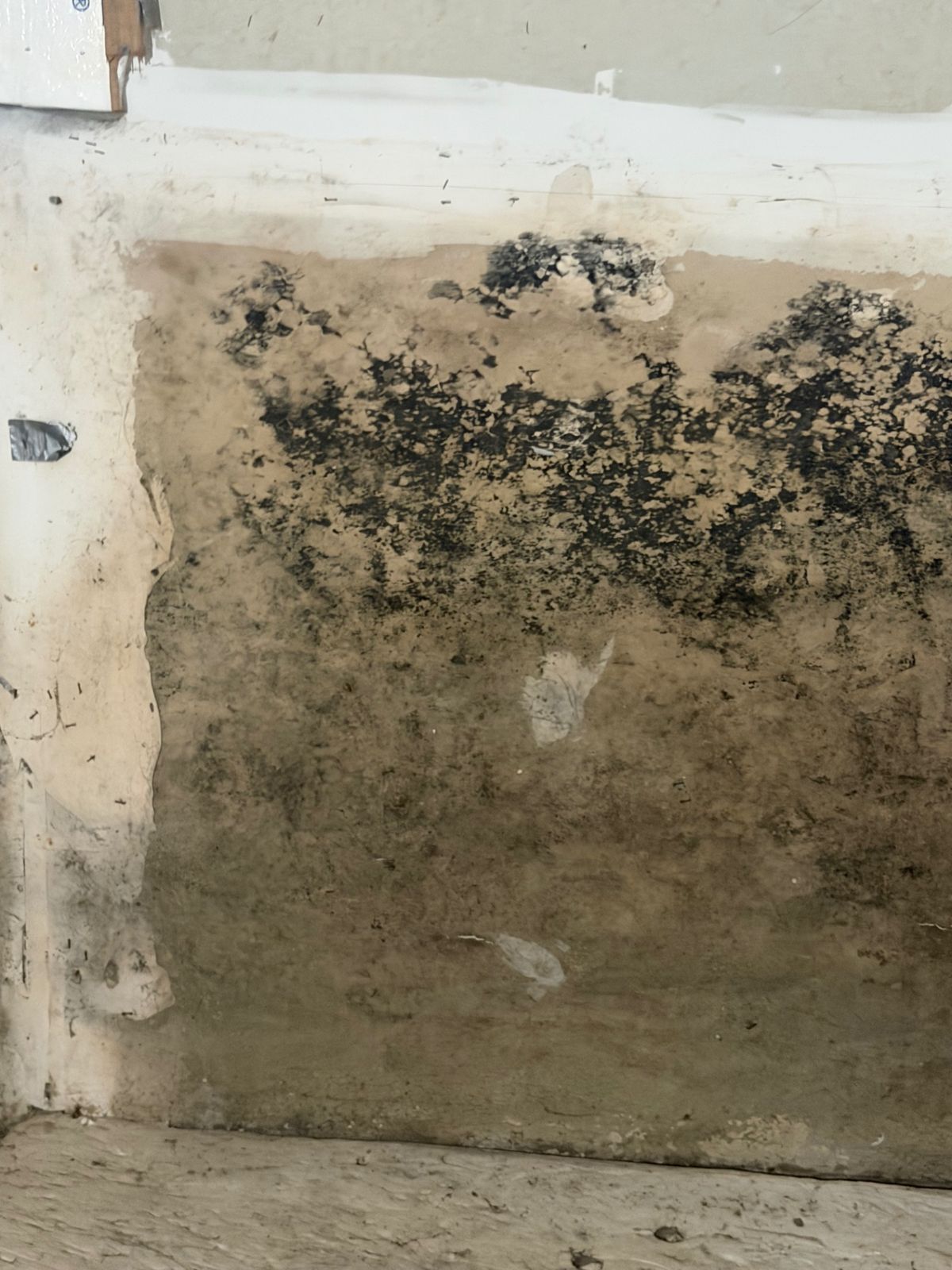
Before the rebuild, clearance testing checks three things: that moisture readings in affected materials meet the project's dry standard, that the work area is visibly clean, and, when the project calls for it, that mold sampling results meet the agreed criteria. Closing walls before this is confirmed is how hidden mold gets sealed in.
Independent testing matters here because the company doing the drying and rebuild has a reason to finish quickly. Origin Environmental only tests, so its readings and results aren't tied to the repair work. Justin Zarudny, Origin's principal, holds an IICRC Water Restoration Technician certification (#226476) and his property-services work, including water-damage restoration, began in 2007.
If you've had a leak, flood or sewage backup anywhere in San Diego County, call (858) 833-0033 to schedule testing before, during or after drying. Origin can also refer IICRC-certified restoration contractors it has vetted.
Scope of services
Origin evaluates building and environmental conditions. It does not diagnose illness, determine individual medical risk, make insurance-coverage decisions, provide legal opinions, or issue engineering conclusions.